







































The live dealer segment of the Rise Of Olympus platform provides an environment where table games are conducted in real-time from dedicated studio facilities. These sessions utilise physical equipment, including cards, wheels, and dice, and are overseen by trained personnel. The operational structure follows standardised protocols to maintain consistency across all rounds. Access to specific live dealer tables for players in the United Kingdom is governed by provider licensing agreements and regional compliance frameworks. Each game session operates under a fixed set of rules that define betting options, payout calculations, and procedural sequencing. The platform does not modify these rules dynamically; instead, it presents the game as designed by the relevant third-party provider. Availability of specific studio streams is subject to the operational capacity of the provider and the regulatory permissions held for the United Kingdom market.
Live Game Categories and Studio Formats
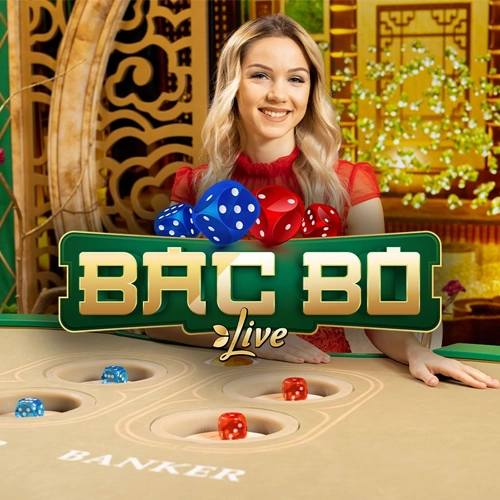
The live games portfolio on the Rise Of Olympus platform is structured around several established categories. The primary formats include live roulette, live blackjack, live baccarat, and game-show style productions. In live roulette, the studio setup typically features a mechanical wheel with a central camera positioned above the wheel to capture the ball drop. Multiple table cameras offer side-angle views. For live blackjack, the studio uses a felt-covered table with a card shoe and a discard tray. The dealer handles cards manually, and the camera setup focuses on the player hand area and the dealer's visible card. Live baccarat studios employ similar equipment, with three-camera setups that show the shoe, the table layout, and the commission box.
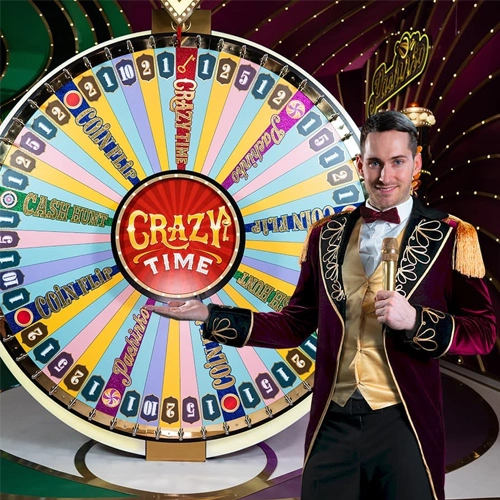
Game-show formats differ structurally from traditional table games. These studios are larger and resemble television sets, often featuring a host or presenter, a physical wheel or ladder, and interactive lighting. Examples include formats where players bet on segments of a large wheel or on the outcome of a randomised multiplier path. The gameplay in these formats does not follow standard card or wheel mechanics but instead relies on proprietary hardware and software to determine the result. All studio environments maintain a fixed frame rate for streaming, and the physical equipment is tested regularly by the provider to ensure mechanical consistency.
Technology, Streaming and Interface
The technical operation of live dealer games on the Rise Of Olympus platform depends on a combination of video encoding and client-side rendering. The video stream is delivered using HLS or WebRTC protocols, depending on the provider. Streams are encoded at multiple bitrates to accommodate varying internet connection speeds, typically ranging from 1 Mbps to 6 Mbps. Players can select a manual quality setting or rely on an adaptive bitrate algorithm. The interface is rendered in a web browser environment. It includes a chat panel, a betting grid, and a video player with controls for volume and fullscreen.
Bet input mechanics are handled through a graphical interface that displays chips of fixed denominations. The player clicks on the betting grid or designated betting area to place wagers. The system registers the bet once the player confirms it within the allotted betting window. Network latency between the studio and the client is managed through a time-synchronisation server. The interface displays a countdown timer for the betting phase and the deal or spin phase. Minimum network requirements are generally specified as a download speed of 4 Mbps for standard definition and 8 Mbps for high definition. Connection stability is more critical than raw speed, as packet loss can cause desynchronisation between the dealer's actions and the client display. The platform automatically displays a buffering indicator if the stream drops below a threshold, and the session may be terminated if the disconnection exceeds a predetermined duration.
Dealer Roles and Gameplay Rules
Dealers in the live studio environment are responsible for executing all procedural steps as defined by the provider's rulebook. This includes announcing the opening and closing of bets, handling cards according to a fixed dealing protocol, spinning the wheel, and processing payouts. For blackjack, the dealer follows a standard set of house rules, which are displayed on the table interface. These rules generally include dealer stands on soft 17, no surrender, and a 3:2 payout for blackjack. In roulette, the dealer spins the wheel in one direction and releases the ball in the opposite direction. The ball is allowed to complete a minimum number of rotations before the outcome is called.
Card handling is performed manually by the dealer using a cut card and a card shoe. The shoe is shuffled according to a predetermined schedule, which may be before each round or after a set number of decks have been dealt. For games using continuous shuffling machines, the dealer loads the machine at the start of the session. Outcomes are generated through physical action. The dealer announces the result into a microphone, and the system registers it via a camera-based optical recognition system. This system cross-references the visual reading with the dealer's verbal call. All gameplay is recorded on the provider's server, and session logs are stored for a defined retention period. The dealer does not have access to the player's balance or session history. The interaction between the player and the dealer is limited to the in-game chat function.
Table Limits, Availability and Regional Constraints
Table limits for live dealer games on the Rise Of Olympus platform for United Kingdom players are set by the issuing provider. Minimum bets typically start at £0.10 for certain roulette tables and £1 for blackjack and baccarat. Maximum bets vary significantly by category, with standard tables capping at £500 for even-money bets and higher limits on dedicated high-roller tables, which may allow up to £10,000 per round. Game-show titles often have a wider limit range, with minimums as low as £0.10 and maximums up to £2,000 depending on the specific segment.
Availability is managed through a table load system. Each table has a fixed number of virtual seats. During peak evening hours, typically between 18:00 and 23:00 GMT, tables may reach capacity, and players are placed in a queue or offered an alternative table. The platform displays the current player count and the number of available seats for each table. Regional constraints are applied based on the player's IP address and account registration. For players in the United Kingdom, tables from providers not holding a valid Gambling Commission licence are blocked from display. The platform filters the lobby to show only those tables that fall under the permitted licensing categories. Session time limits may apply as part of the platform's responsible gaming settings, which can be configured by the player through the account management panel. Table availability is also subject to maintenance windows, during which specific studios may be offline for equipment servicing.
| Game Category | Typical Minimum Stake | Typical Maximum Stake |
|---|---|---|
| Live Roulette | £0.10 | £500 |
| Live Blackjack | £1.00 | £2,500 |
| Live Baccarat | £1.00 | £5,000 |
| Game-Show Formats | £0.10 | £2,000 |
Players may encounter variations in table availability if the provider reallocates studio resources to regional markets outside the United Kingdom during off-peak hours. The platform documentation provides a schedule of licensed providers, but the actual table roster is updated dynamically. The